





Register to get free articles
Want unlimited access? View Plans
Already have an account? Sign in
Tipping in Britain is undergoing a structural shift, with new data revealing a deepening divide between how many customers tip and how much they give.
Analysis of more than one million hospitality transactions processed via URocked, the digital tipping platform powered by payments company Paynt, shows the overall tipping rate fell from 10.9% in June 2024 to just 5.5% by February 2026, a drop of nearly half in under two years.
Yet over the same period, average tip values have almost tripled, rising from £4.87 to £14.39. Contactless is reshaping the tip The data points to payment method as a critical factor in tipping behaviour. Contactless payments now account for 62.6% of all hospitality transactions, yet they produce the lowest tipping rate of any payment method, at just 4.6%. Customers paying by chip and PIN are more than three times as likely to tip, recording a tipping rate of 14.9%.
The implication is significant: as contactless becomes the default way to pay, tipping is becoming a more deliberate and considered act, less a habitual gesture and more a conscious choice. Hospitality bears the brunt For the sector most dependent on gratuity income, the shift matters. Food, restaurants and bars account for 96.8% of all tipped transactions, meaning any structural decline in tipping rates is felt most acutely by the workers in these venues.
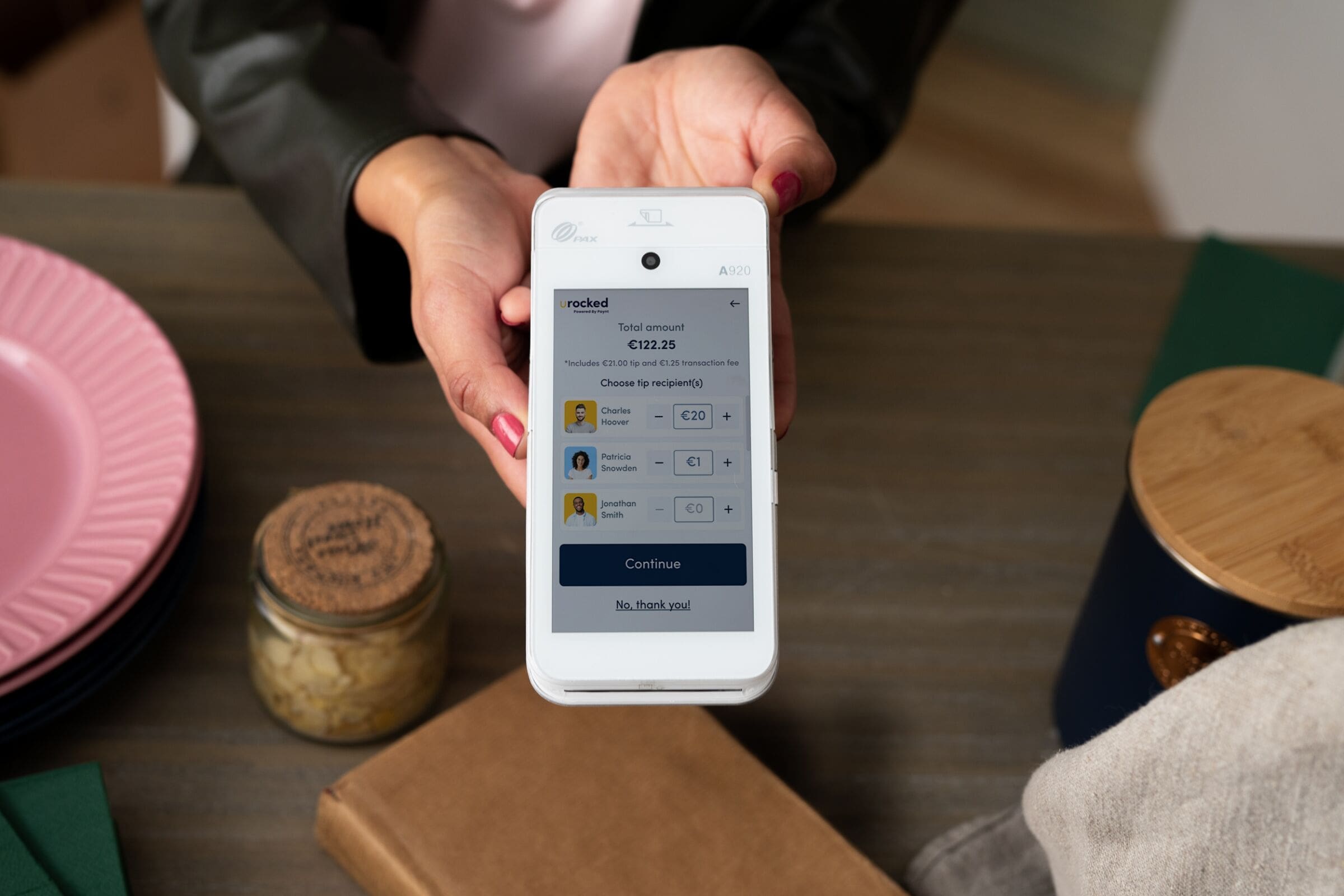
As contactless dominates the payment mix, staff in high-volume venues face a material reduction in tip frequency, even as individual tip values rise. When generosity peaks Not all trading periods are equal. Wednesday emerges as the most generous day of the week, recording the highest tipping rate at 11.1%, while Thursday commands the highest average tip value at £8.52. The evening dinner window between 7pm and 9pm consistently generates the strongest tip amounts, ranging from £8.37 to £9.61. Saturday tells a markedly different story.
Despite being the busiest day for hospitality, the tipping rate drops to just 6.1% -less than half the midweek figure – suggesting that peak footfall does not translate into peak generosity.
“This data highlights a clear shift in tipping behaviour across the UK hospitality sector,” said Swati Deshpande, marketing manager at Paynt. “More importantly, it shows how payment methods are increasingly shaping customer behaviour at the point of transaction.
While fewer customers are choosing to tip, those who do are showing greater generosity, suggesting a change in how and when people engage with tipping. As contactless payments become the dominant way to pay, businesses need to consider how the payment experience influences discretionary actions such as tipping. Businesses need to make tipping a more intuitive and accessible part of the payment journey.”
Notes to Editors Data source: Analysis of over one million transactions processed via URocked Powered by Paynt between June 2024 and February 2026. Data is drawn from URocked’s own platform and reflects transactions processed through the service; it is not a nationally representative consumer survey.